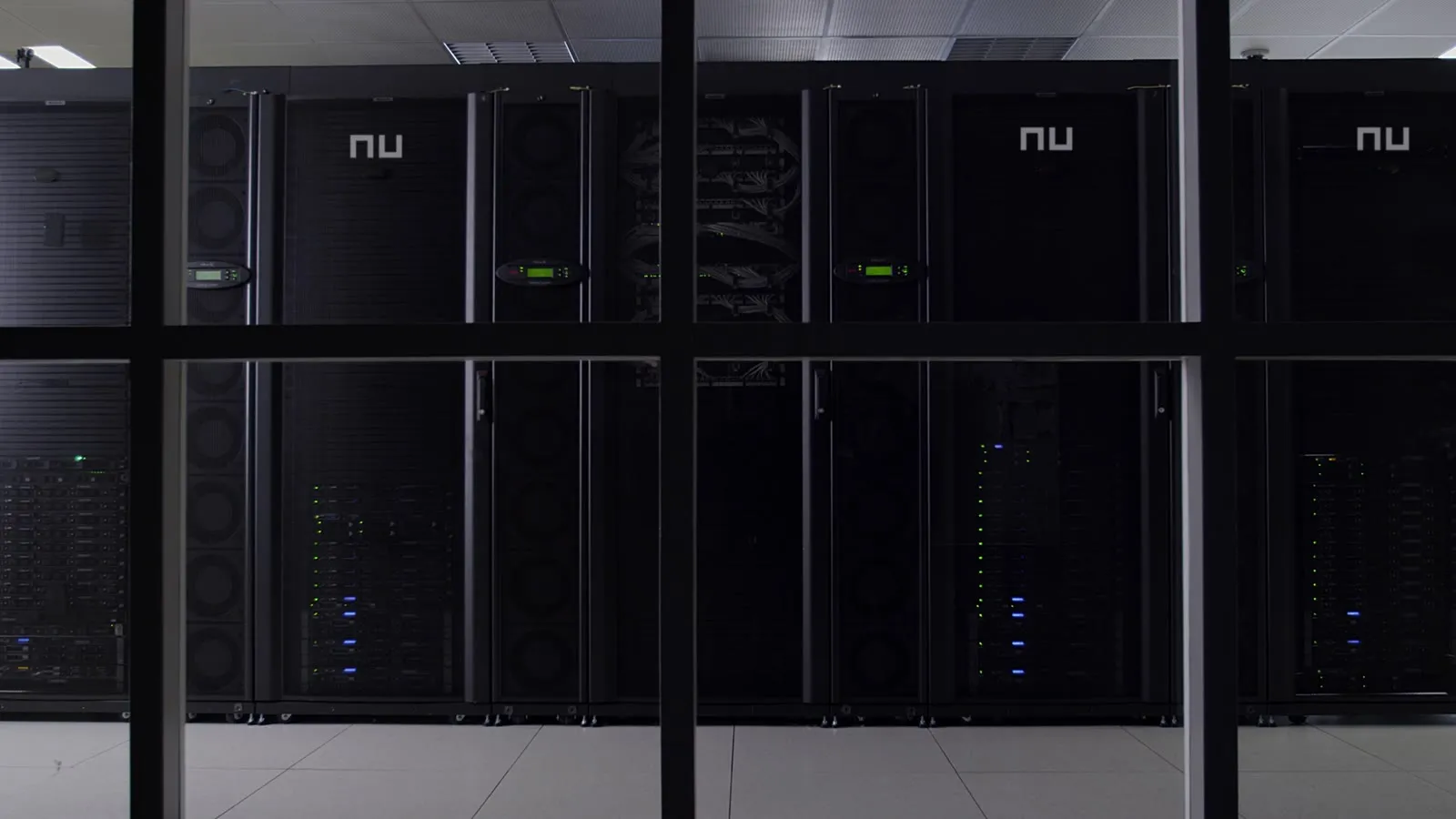
CEO Pranav Mistry outlines how On-Prem AI can transform airports at WAC 2026
At the World Aviation Conference 2026 in Incheon, NU Tech Founder and CEO Pranav Mistry described how airports can put AI to work on their operational data without it ever leaving their infrastructure.
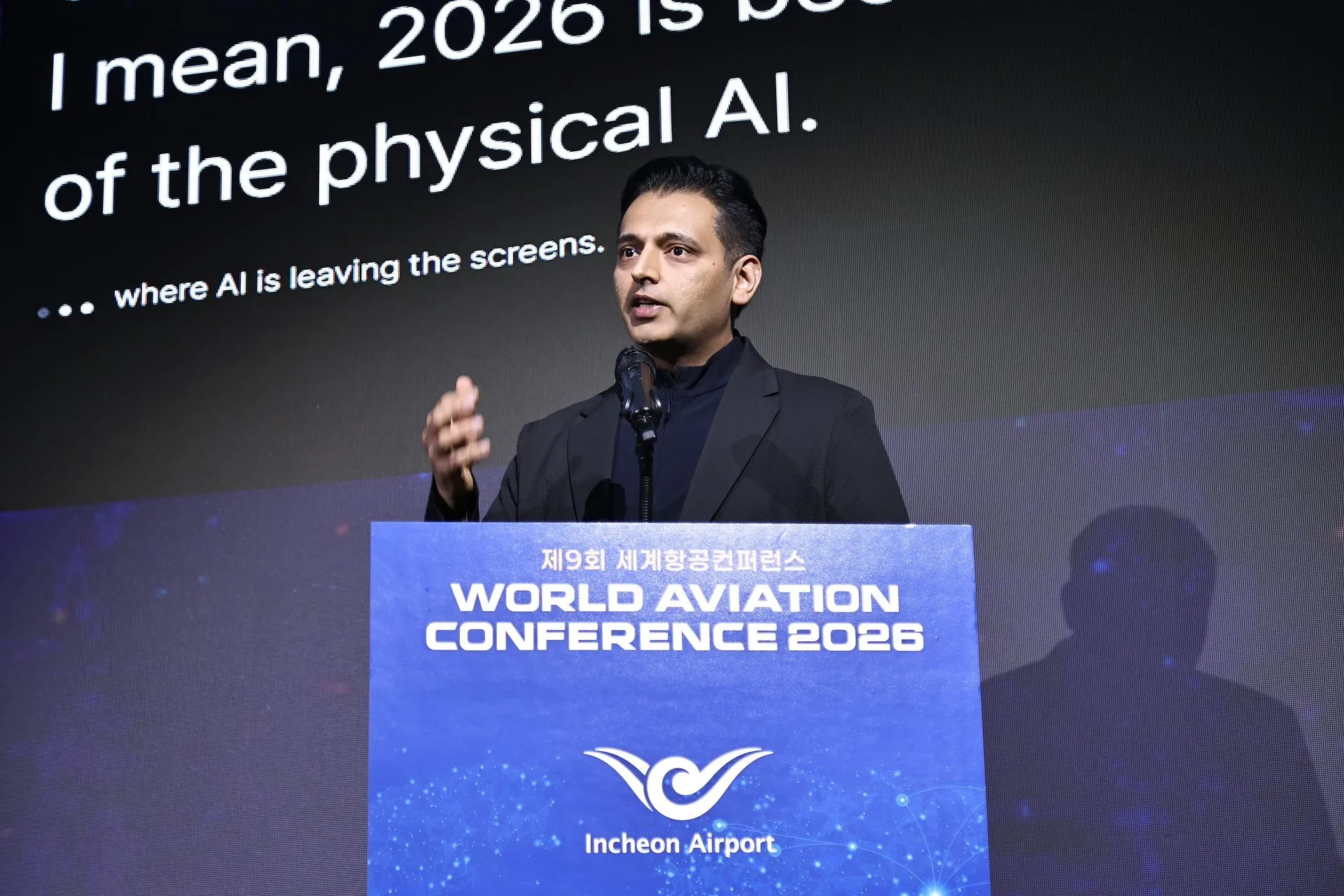
Incheon, Korea — Speaking at the World Aviation Conference 2026 (WAC 2026), hosted by Incheon International Airport Corporation at Paradise City Incheon from 8 to 10 September, NU Tech Founder and CEO Pranav Mistry outlined how on-premises AI can help airports turn the data they already hold into faster, safer and fully traceable decisions.
This year’s conference, the ninth since 2016, took the theme “More than an Airport: Traditional Airport Industry Paradigm Change” — the shift of the airport industry beyond its traditional role, with AI, biometrics, robotics and automation among the technologies reshaping it.
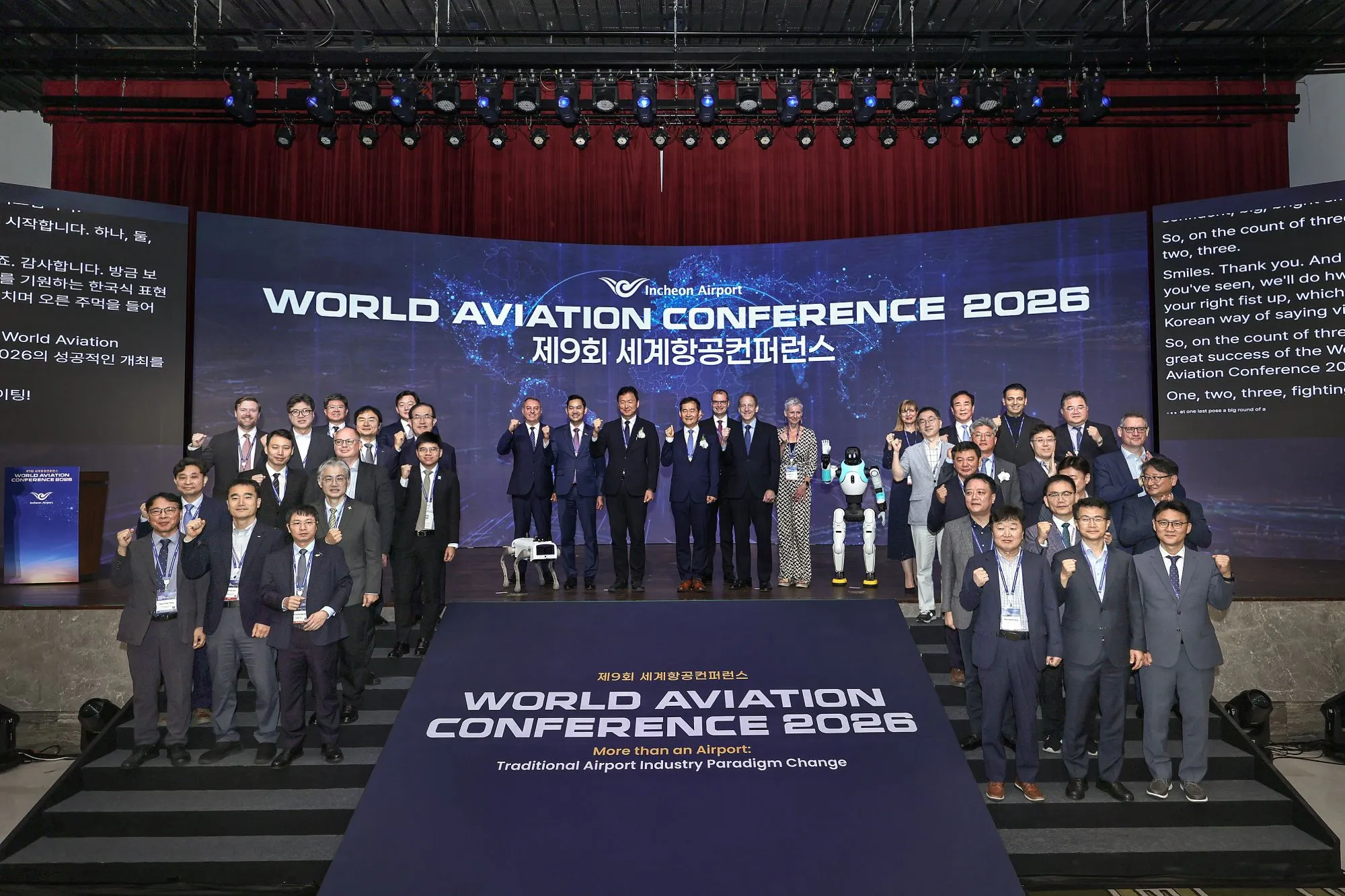 Speakers and guests at the World Aviation Conference 2026, Incheon.
An airport’s data can’t leave the building
Airports run on some of the most sensitive data in any industry: passenger and security records, operations and incident logs, facility and maintenance records, contracts and regulatory filings. Much of it cannot be sent to a public cloud model.
“Airports already have the data AI needs — years of operations logs, incident reports, procedures and manuals. What they can’t do is send that data somewhere else to be read. So we bring the AI to the data, inside the airport’s own walls.” — Pranav Mistry, Founder and CEO, NU Tech
Where On-Prem AI helps first
- Airport operations: reading operations logs, procedures and reports to surface the right step and flag recurring issues.
- Terminals and passenger services: answering passenger and staff questions from approved information, and routing requests to the right team.
- Facilities and maintenance: finding the right manual, work order or past fix for equipment across the terminal and airfield.
- Safety, security and compliance: checking reports against regulations and internal rules, with every finding cited to its source.
On the panel
Pranav also joined a panel on AI in airport operations, where the conversation turned to a practical question: how far an AI agent can really understand highly specialized material, such as operating manuals — and what it takes to teach it that knowledge.
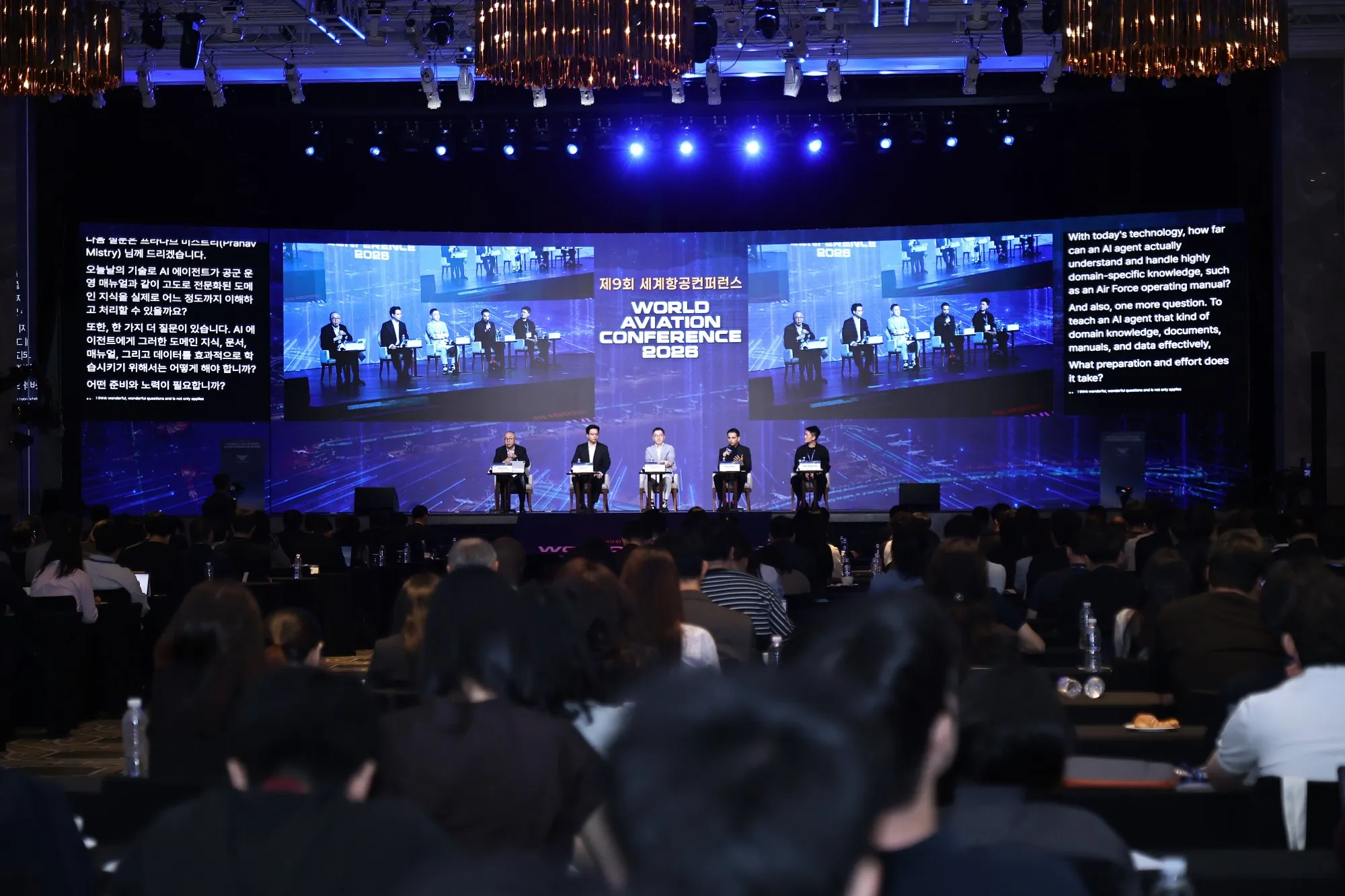 The AI panel at WAC 2026.
It is the question NU Tech’s work starts from: domain knowledge lives in manuals, documents and records that can’t leave the building, so the AI has to learn from them where they are — and show where every answer came from.
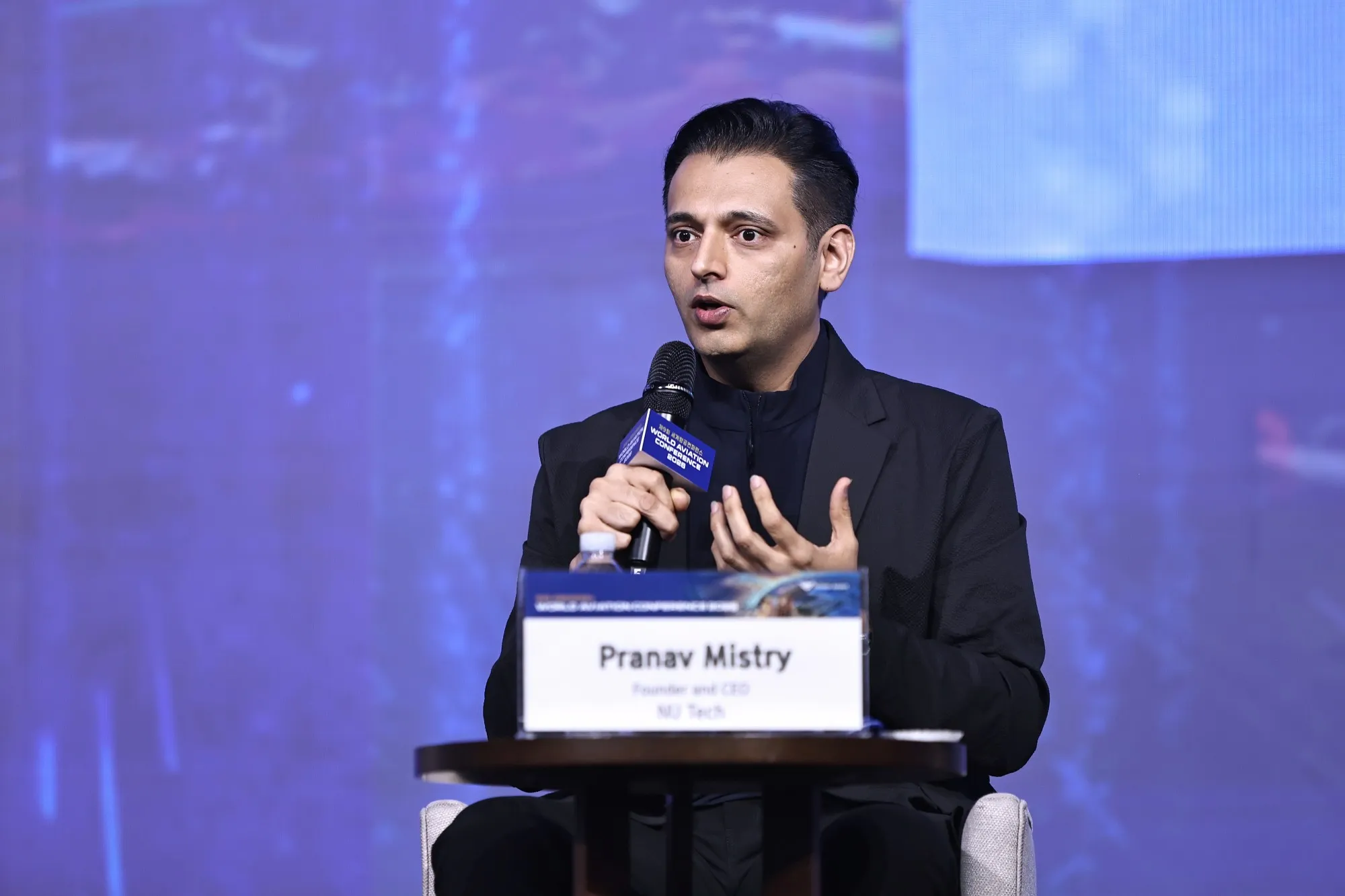 Pranav Mistry, Founder and CEO, NU Tech.
Traceable by design
Every decision is tied back to its evidence, the rules applied and the people who reviewed it — the kind of audit trail airport operators and regulators expect.
“At an airport, an answer you can’t trace is an answer you can’t use. Every recommendation our systems make points back to the record it came from, and a person signs off where it matters. That is how AI earns a place in safety-critical work.” — Pranav Mistry
NU Tech’s AxP platform runs on-premises, in hybrid setups or fully air-gapped, bringing Dudl, the Enterprise Knowledge Engine, and N-Sight, the Agentic Decision Engine, together on the operator’s own infrastructure.
To discuss On-Prem AI for airport operations, request a demo.